
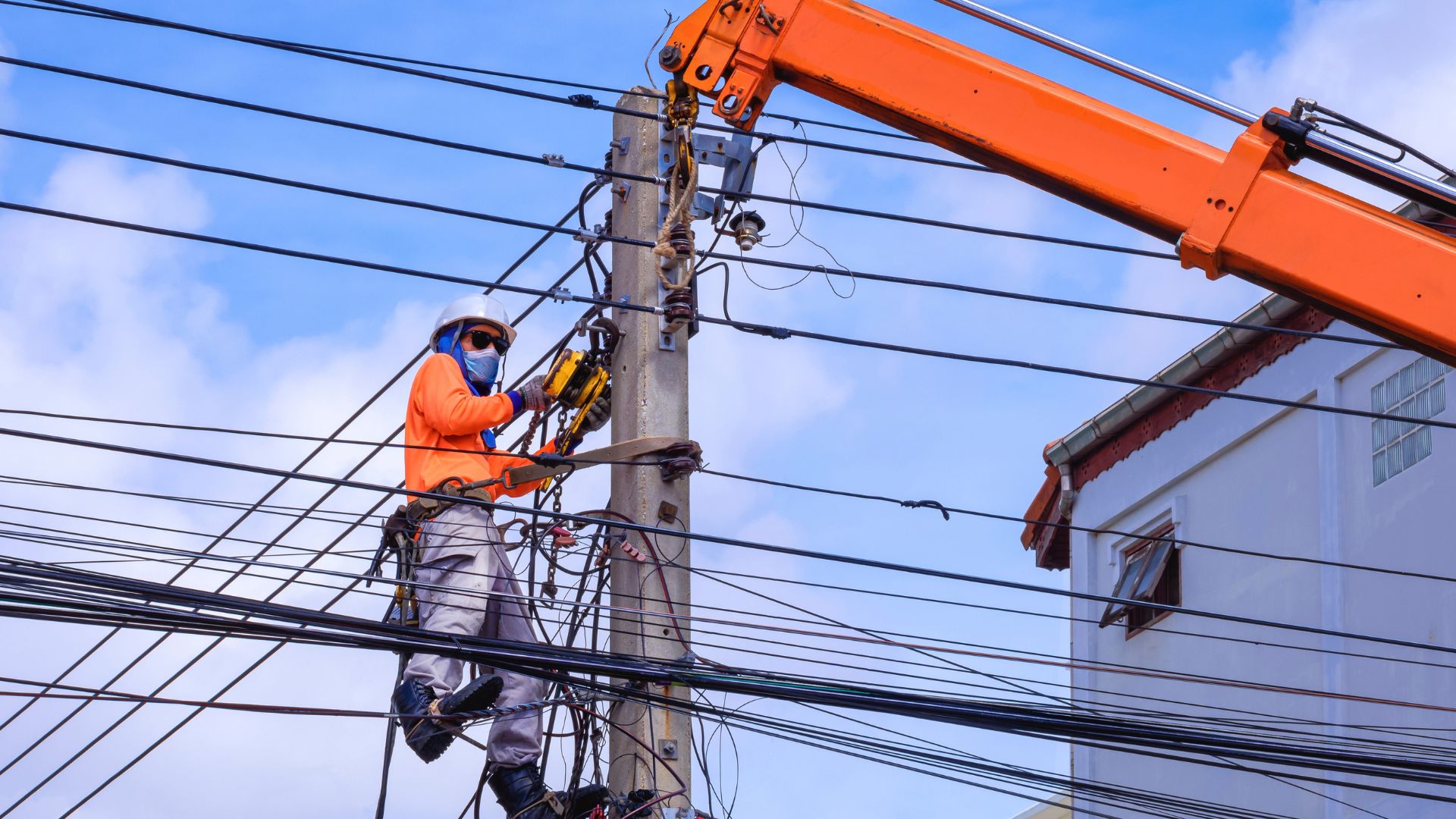







On September 29, 2026, Thailand’s Cabinet approved 1.26 trillion baht in new borrowing for the 2027 fiscal year, including 200 billion baht for energy transition projects under the government’s emergency borrowing decree. The allocation is a dedicated public funding channel for the Thai energy transition, with approved projects expected to roll out from October 2026 and disbursement open until the end of 2027.
Key Facts At A Glance
- Thailand’s Cabinet approved 1.26 trillion baht in new borrowing for the fiscal year starting October 2026.
- The plan includes 200 billion baht for energy transition projects under the 400 billion baht Emergency Decree on borrowing.
- Agencies could submit energy transition project proposals until September 30, 2026, under screening criteria that are already in place.
- Approved energy projects are expected to roll out from October 2026, with disbursement open through December 31, 2027.
- Public debt is projected to reach 69.7% of GDP by the end of fiscal 2027, below the 70% statutory ceiling.
- The plan also includes 81.4 billion baht in new borrowing for 14 state enterprises.
- The Finance Ministry has said cost-of-living relief measures will not draw on the 200 billion baht earmarked for the energy transition.
Thailand’s Cabinet has approved 1.26 trillion baht in new borrowing for the 2027 fiscal year, which begins in October. Reuters reported on September 29, 2026, citing a Finance Ministry statement, that the borrowing plan includes 200 billion baht for energy transition projects under the broader borrowing decree.
Jindarat Viriyataveekul, Director-General of the Public Debt Management Office (PDMO), outlined the plan, which Thai Enquirer reported on September 30. Of the total, 1.18 trillion baht is for the central government. This comprises 860 billion baht in direct borrowing, 63 billion baht in relending, 200 billion baht for energy crisis measures under the Emergency Decree, and 56.8 billion baht for treasury liquidity. The plan also provides 81.4 billion baht for 14 state enterprises and 850 million baht for other state agencies.
Debt restructuring under the plan is capped at 1.91 trillion baht, with 580 billion baht allocated for debt servicing. The PDMO projects the public debt-to-GDP ratio at 69.7% in fiscal 2027, below the 70% statutory ceiling. It expects the ratio to peak in fiscal 2028 and then decline gradually. Thai Enquirer reported these fiscal years under the Thai Buddhist calendar as FY2570 and FY2571.
Energy Transition Tranche And Timeline
The Emergency Decree authorizes the Ministry of Finance to borrow up to 400 billion baht, split into two 200 billion baht phases. According to the PDMO, 193 billion baht from the first phase has been disbursed, fully securing funds for Phase 2 of the “Thai Chuey Thai Plus” relief scheme. The second phase reserves 200 billion baht for energy transition projects.
The PDMO said screening criteria for the energy transition phase have been set and agencies could submit proposals through September 30, 2026. Approved energy projects are expected to roll out from October 2026, with disbursement open through December 31, 2027.
The specific projects that will receive funding have not been publicly detailed. The Nation reported in August that Deputy Prime Minister and Finance Minister Ekniti Nitithanprapas said the remaining 200 billion baht would be prioritized for the clean energy transition, with a focus on solar rooftops, smart grids and electric public transport. Citing Krungthep Turakij, the same report said 50 billion to 60 billion baht of the allocation would support public adoption of rooftop solar systems.
Relief Spending Kept Separate
In September, the Cabinet extended cost-of-living relief measures using 43 billion baht of the roughly 44 billion baht left from the first phase of borrowing. Ekniti said the extension would not draw on the 200 billion baht earmarked for the energy transition, The Nation reported. Finance Ministry Permanent Secretary Lavaron Sangsnit said the relief package would use only the first of the two 200 billion baht allocations.
The use of decree funds has drawn political debate. Thai Enquirer reported on September 22 that deputy party leader Sirikanya Tansakun criticized the 40% co-payment requirement in the relief scheme and questioned the use of funds originally intended for the energy transition.
Public details on individual project approvals, implementing agencies and allocation by technology remain limited. Further disclosures are expected as the screening committee completes its evaluation.