
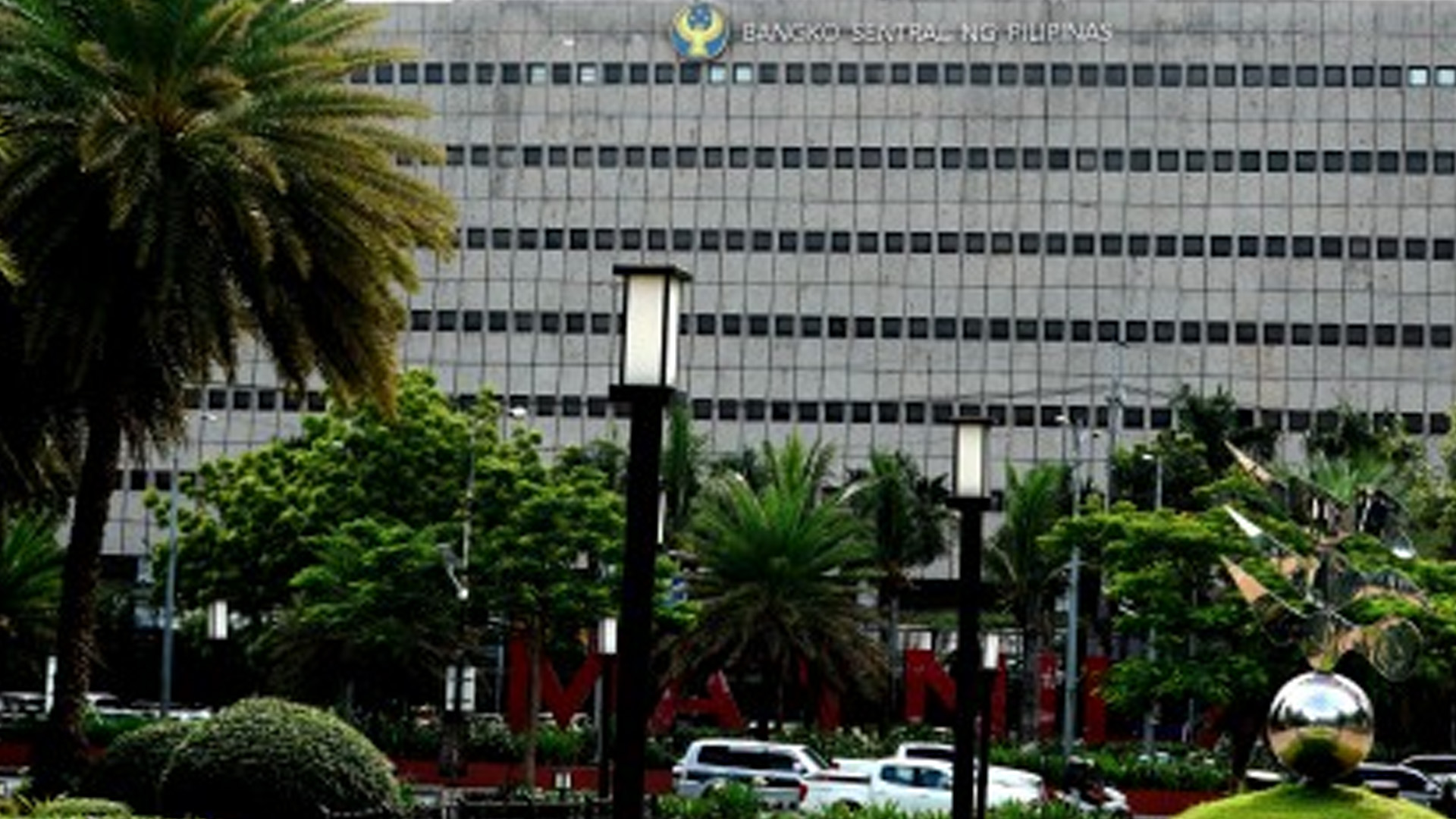







The Philippine financial sector’s total resources increased by 6.7 percent as of end-March this year, data from the Bangko Sentral ng Pilipinas (BSP) showed.
Data released on Friday showed that the total resources of banks and non-bank financial institutions amounted to PHP34.29 trillion in March from PHP32.11 trillion in the same month last year.
Banks’ total resources went up to PHP28.46 trillion from last year’s PHP26.45 trillion.
Broken down, the total resources of universal and commercial banks rose to PHP26.63 trillion from PHP24.78 trillion while thrift banks’ resources also increased to PHP1.17 trillion from PHP1.12 trillion in March 2024.
Resources of digital banks amounted to PHP130.4 billion, while those of rural and cooperative banks reached PHP527.1 billion.
The total resources of non-banks, meanwhile, also increased to PHP5.83 trillion from PHP5.66 trillion in March last year.
Non-banks include BSP-supervised investment houses, financing companies, investment companies, securities dealers or brokers, pawnshops, lending investors, non-stock savings and loan associations, credit card companies, government non-bank financial institutions, and authorized agent banks and forex corporations.
Rizal Commercial Banking Corporation chief economist Michael Ricafort said the increase in total resources was largely due to the continued growth in banks’ loans which in turn also supported growth in deposits.
“The said growth is also consistent with the continued growth in banks’ net income that adds to banks’ capitalization that also supports more lending and investment activities,” Ricafort said. (PNA)