
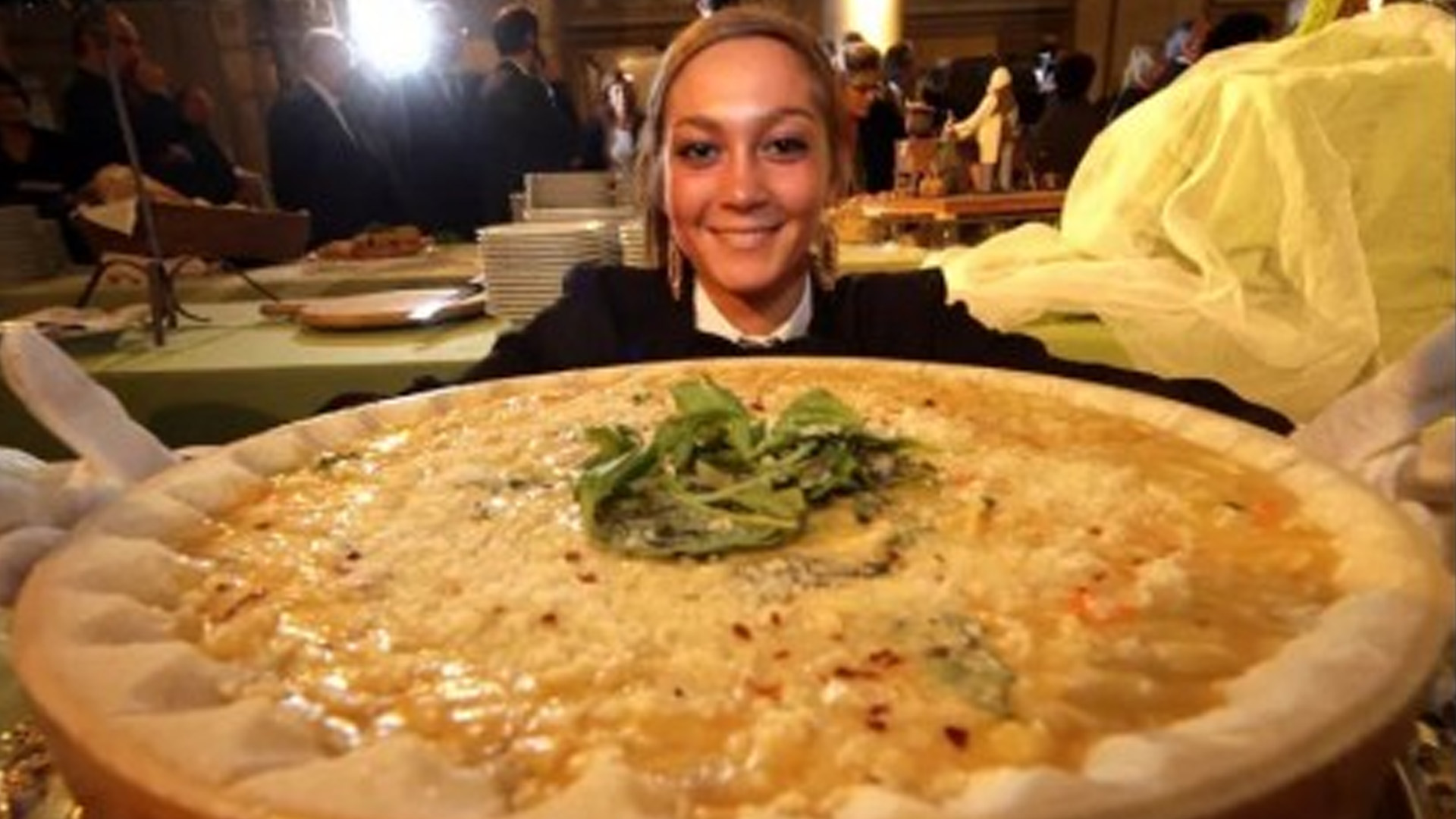







UNESCO has officially inscribed Italian cuisine on its Intangible Cultural Heritage list, marking the first time an entire national cuisine, not just a specific recipe or tradition, has received the designation.
The decision was announced Wednesday during a meeting of UNESCO’s Intergovernmental Committee in New Delhi and was met with prolonged applause.
In its explanation, the committee described Italian cuisine as a “cultural and social blend of culinary traditions” and “a way to care for oneself and others, express love, and rediscover cultural roots.”
It said the practice emphasizes respect for ingredients, shared moments around the table, and the passing down of skills and memories across generations.
The decision to admit the bid, which was among 60 from 56 countries under evaluation, was met by a long applause in the hall where the committee was gathered.
“It is a communal activity that emphasizes intimacy with food, respect for ingredients, and shared moments around the table,” UNESCO said.
UNESCO noted that Italian culinary traditions are rooted in anti-waste recipes and flourish in homes, schools, festivals, ceremonies, and community gatherings.
Grandparents often teach traditional dishes to younger family members, while formal culinary education in schools and universities also helps preserve the craft.
“Beyond cooking, practitioners view the element as a way of caring for oneself and others, expressing love and rediscovering one’s cultural roots.
The agency added that Italian cuisine fosters social inclusion, strengthens community bonds, and preserves cultural expressions, such as language and gestures, offering a channel for lifelong and intergenerational learning. (PNA)