
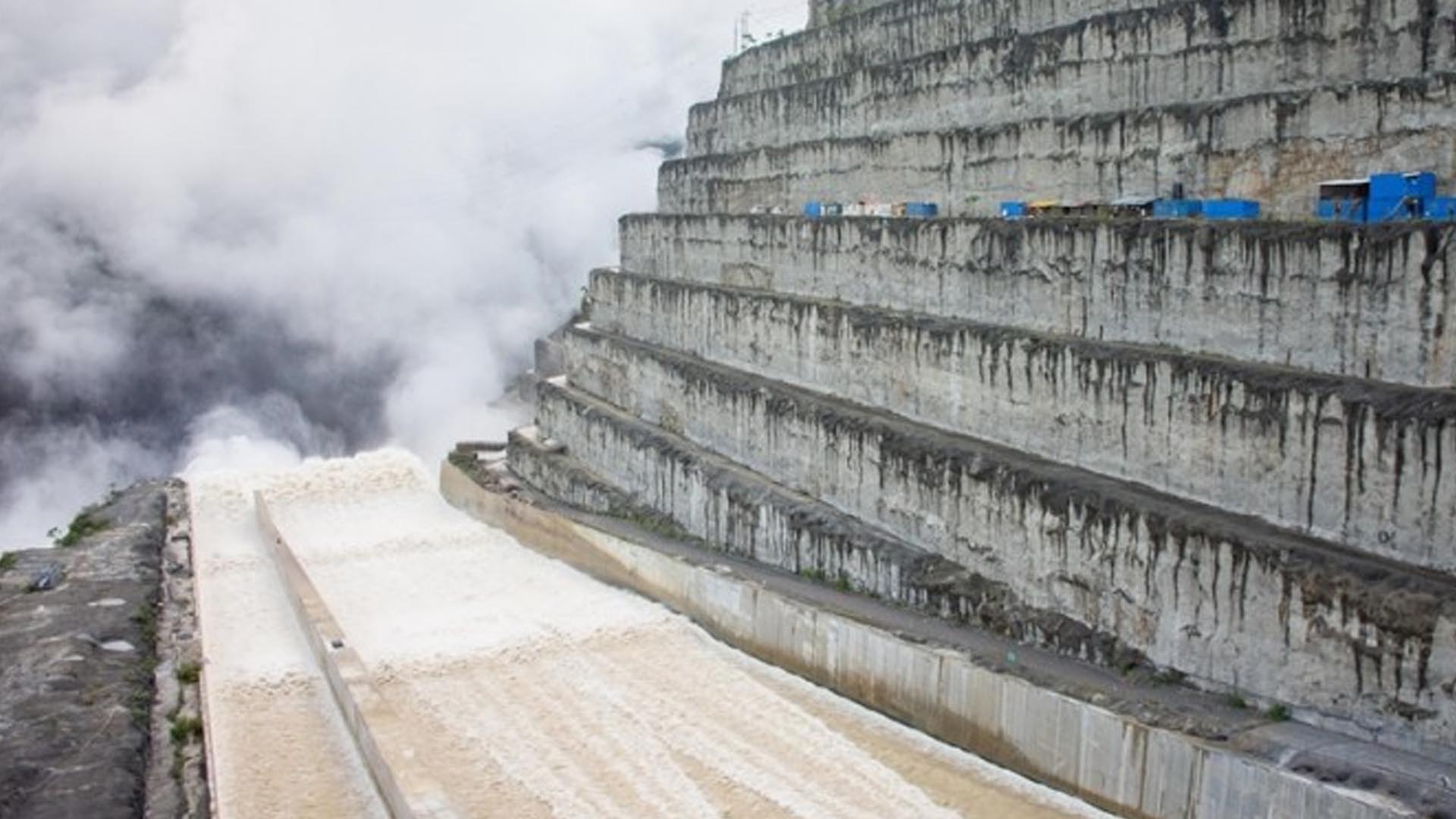







China on Saturday launched construction of what is set to become the world’s largest hydropower project, located in the remote Yarlung Zangbo River gorge in the southwestern Tibet region, according to state-run media reports.
Premier Li Qiang inaugurated the project at a groundbreaking ceremony in the city of Nyingchi in the Xizang (Tibet) Autonomous Region, CGTN reported..
Li called the project a “project of the century” and directed the adoption of advanced technologies, equipment, techniques, and materials to provide robust support for high-quality construction of the project.
When completed, the project is expected to generate 300 billion kilowatt-hours (kWh) of energy annually, which would be three times more than the world’s largest dam, Three Gorges, also in China, with a capacity of 88.2 billion kWh.
The project consists of five cascade hydropower stations, with a total investment estimated at around 1.2 trillion yuan (about $167.8 billion), according to state-run media.
Government officials, engineers, and local residents attended the launch, reflecting the project’s national importance.
The project is expected to play a crucial role in helping China meet its climate targets, peaking carbon emissions before 2030 and achieving carbon neutrality by 2060, according to The Global Times. (PNA)